Hair and Hairstyle Vocabulary for Kids
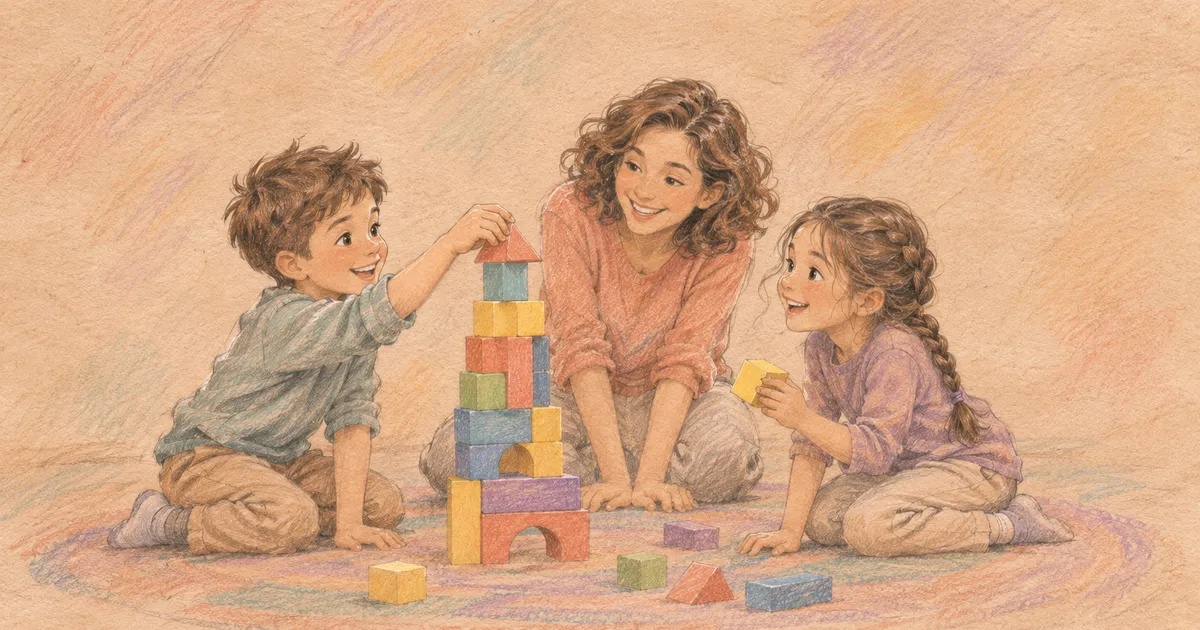
Hair and Hairstyle Vocabulary for Kids: Words and Activities teaches children to describe hair, name styles, and discuss daily care. Begin with contrasts: long or short, straight or curly, loose or tied up. Then add braid, bun, fringe, comb, and hair tie. No hair type is the standard. vocabulary helps your child describe people respectfully, follow instructions, and form real sentences. Start with familiar hair, then expand through pictures, play, and routines.
📥 Hair and Hairstyle Practice Pack
Read, match, sort, and use everyday hair words.
Leave your email — we'll send the PDF to your inbox.No spam — the PDF plus one short reminder. Unsubscribe anytime.
Core Hair Vocabulary to Teach First
The Hair and Hairstyle Vocabulary for Kids: Words and Activities set starts with visible features. Teach long, short, shoulder-length, straight, wavy, curly, and coily. Add colour words such as black, brown, red, grey, and blond or blonde. Choose photos with varied ages, skin tones, and hair textures.
Children need names for hair parts: roots, ends, strand, curl, parting, and fringe. In certain forms of English, bangs replaces fringe. Teach your family’s or school’s term first, then introduce both.
Pair nouns with actions: use a comb, wear a headband, tie a ponytail, and put in a hair clip. Word groups are easier to recall than isolated labels and prepare children for instructions at home, in lessons, or at a hair salon.
Haircuts, Hairstyles, and Useful Accessories
A haircut means the hair’s cut or shape; a hairstyle means its arrangement. A child may have a layered haircut and wear a ponytail. Other haircut terms include bob, crop, fade, undercut, and trim.
Hairstyle terms include braid, plait, bun, ponytail, pigtails, cornrows, locs, and twists. Braid and plait may name the same basic style in different varieties of English. Cornrows, locs, and twists are distinct styles, not interchangeable terms.
Add hair-care objects your child sees: hairbrush, wide-tooth comb, hair tie, clip, headband, and hair dryer. Children may wear head coverings for family, faith, comfort, or style. Describe personal hair and headwear respectfully, without touching or judging.
Putting the Words into Sentences
Move from labels to sentence frames: “My hair is ___,” “Your hair is ___,” and “They have ___ hair.” Add styles: “She is wearing her hair in braids,” “He has a short haircut,” or “Their hair is tied back.” Children can ask, “What does her hair look like?” and “How is his hair styled?”
Return to Hair and Hairstyle Vocabulary for Kids: Words and Activities during picture talk. Request one feature, style, and action: “The hair is long and curly. It is in a ponytail. She is brushing it.” Older children can compare without judging: “Both people have dark hair, but one hairstyle is braided and the other is loose.”
Three-clue Hairstyle Challenge
Choose a family-approved picture. Your child gives three clues without pointing: length or colour, texture, and style. Another player identifies the person or picture. Swap roles and repeat with new words.
Activities for Different Ages
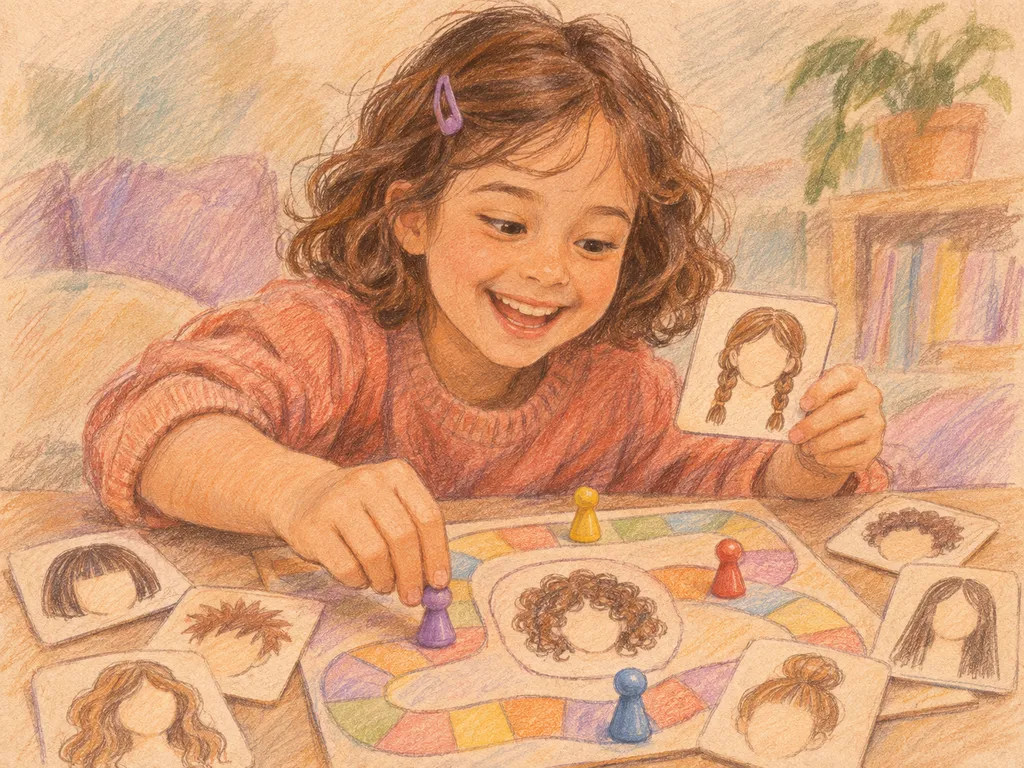
For school-age kids, combine movement with real objects. Put a brush, comb, clip, and hair tie on a table. Say, “Pick up the comb” or “Pretend to brush long hair.” Let your child style a doll, puppet, or paper face while naming each object and action. Practise for five minutes across multiple days.
For school-age kids, try picture sorting. Create headings for length, texture, style, and hair-care items. Your child sorts pictures or word cards, then explains one choice in a full sentence. For a drawing game, one player describes a hairstyle while the other draws without seeing the source picture.
For school-age kids, add precise descriptions and role-play. Your child can explain a preferred haircut to a pretend stylist, compare regional terms such as fringe and bangs, or write styling instructions. Across LearnLink lessons, our online tutors can match the speaking task to the learner’s vocabulary and confidence while keeping language natural.
Quick Practice That Fits into Family Routines
Use Hair and Hairstyle Vocabulary for Kids: Words and Activities during existing routines. While getting ready, ask, “Do you need a brush or a comb?” or “Will you wear your hair loose or tied back?” During story time, describe one illustrated person’s hair in two sentences. Stop before practice feels like a test.
A weekly word hunt builds repetition. Your child finds one hairstyle, texture word, and hair-care action in books, cartoons, or family-approved photos. Record each find with a drawing and sentence. Multilingual children may add the matching word from another language, then complete the English sentence.
Review through choices instead of repeated questions. Ask, “Is the hair wavy or straight?” before “What does the hair look like?” Remove the choices once the answer is secure. This guides first-time online learners from recognition to independent speech.
Common Language and Teaching Mistakes
Hair is uncountable when referring to all the hair on someone’s head: “She has curly hair,” not “She has curly hairs.” Use a hair or hairs for individual strands: “There are two hairs on the jacket.” Teach both patterns, starting with the uncountable form.
Separate haircut from hairstyle. “I like your haircut” refers to the cut or new shape. “I like your hairstyle” refers to the arrangement. Model “wearing a ponytail” and “has curly hair”; “has a ponytail today” is understandable but less precise.
Never present one texture, colour, or style as normal and others as unusual. Use neutral descriptions and varied images. Preserve family terms: if your child says plait and a book says braid, explain that both are heard. The goal is broader understanding, not one approved accent.
- Model two complete sentences using hair words before asking your child to respond.
- Contrast curly and straight hair with two pictures, then invite careful descriptions.
- Correct one vocabulary mistake gently, then repeat the accurate phrase together.
- Avoid labeling hairstyles as good or bad; use neutral, respectful language.
- Review four hairstyle words in a matching game using family photos.
For the rule wording, British Council LearnEnglish Kids is a useful reference while the practice examples here stay adapted for children.
Frequently Asked Questions
How Many Hair Words Should My Child Learn at One Time?
Begin with six to eight contrasting words, such as long, short, straight, curly, brush, and comb. Add vocabulary after your child understands the first set in sentences. Hair and Hairstyle Vocabulary for Kids: Words and Activities should grow gradually, not become a list memorised in one sitting.
Should Our Tutors Teach Fringe or Bangs, Braid or Plait?
Teach the term your child will hear at home or school, then introduce the alternative for recognition. Explain that English varies across countries and communities. Your child can keep their preferred word while understanding both terms in books, videos, lessons, and conversations.
How Can Our Tutors Teach Words for Curly and Coily Hair Respectfully?
Use accurate, neutral words and pictures showing varied textures without ranking them. Teach curly, coily, wavy, loose curls, tight curls, braids, twists, cornrows, and locs only when each picture matches. Describing someone’s hair never gives permission to touch it or judge which style looks better.
What Can We Do If My Child Dislikes Worksheets?
Use drawing, sorting, role-play, and brief conversations. Your child can give hairstyle clues, follow instructions with a doll, describe an illustrated character, or choose words during the morning routine. Try three steps today: choose six words, practise them for five minutes, and finish with one full spoken sentence. Repeat the set in different settings before adding vocabulary.
Start your child's English journey today — book a trial lesson with LearnLink.
Stay updated on our latest tips and resources by following us on Instagram LearnLink.